

For Teams
Look after the minds your business runs on.
Modern organisations run on human attention. Judgement. Ideas. Perspective. Decision-making. Creativity. The ability to see something other people haven't seen yet.
Yet the people carrying the most responsibility are often given the least opportunity to properly step away from it. Meetings become messages. Messages follow us home. Work fills the gaps. Rest becomes another thing to optimise.
AWAY gives people somewhere to actually go.
Regenerative retreats for the modern wired mind.
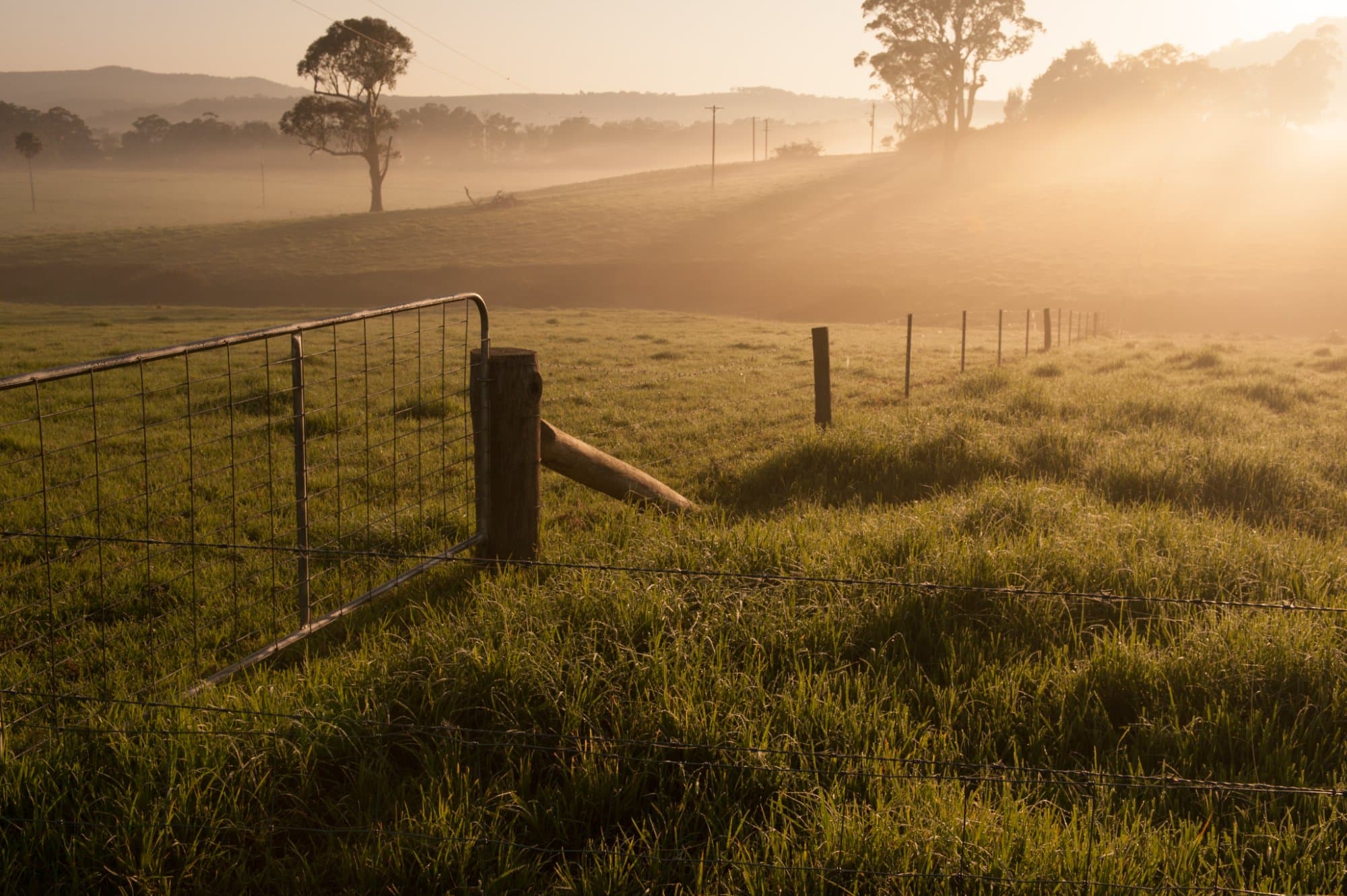
The pursuit spends you.
We spend enormous amounts of time and money improving what happens while people are working. Better software. Better processes. Better offices. Better AI. Better ways to communicate, collaborate and produce.
AWAY became interested in something else:
What happens when you stop?
Not for an hour. Not for an afternoon wellness session. Long enough for the demands, screens, decisions and accumulated noise to actually begin falling away.
That question led us to 72 hours.
The 3-Day Effect
Why we got obsessed with 72 hours.
Cognitive scientist David Strayer had noticed something while taking people into the wilderness. After several days away from cities, screens and ordinary demands, people seemed different.
Calmer. More perceptive. More present. Better at seeing solutions.
So researchers tested it.
In a 2012 study, 56 people taking part in multi-day wilderness expeditions completed a standard test of higher-order creative problem-solving. One group completed the test before entering the wilderness. Another completed it after four days immersed in nature and disconnected from technology.
The group tested after immersion performed roughly 50% better.
It became part of what Strayer would describe as the 3-Day Effect. And we couldn't stop thinking about it.
Because if your organisation depends on people making difficult decisions, solving problems, seeing opportunities and producing original thought, perhaps restoration isn't simply something that happens after the important work.
Perhaps it's part of the infrastructure that makes the important work possible.
Three days is different.
A lunch break is useful. A day off is useful. A holiday can be wonderful. But there is something interesting about staying away long enough to get beyond simply arriving.

Day one
You’re physically there. Your mind might not be. The meeting is still replaying. The thing you forgot to send comes back to you. Your hand reaches for your phone without you deciding to do it.

Day two
The inputs are different. You walk further. Look into the distance. Sleep. Swim. Talk without checking something halfway through. The urgency starts losing some of its authority.

Day three
You’ve actually been somewhere else for a while. Thoughts have room to finish. Attention starts behaving differently. You notice things you couldn’t hear over everything else.
This is the territory AWAY is interested in.
Not escaping work. Recovering the mind doing it.
The World of Aways
Places worth disappearing into.
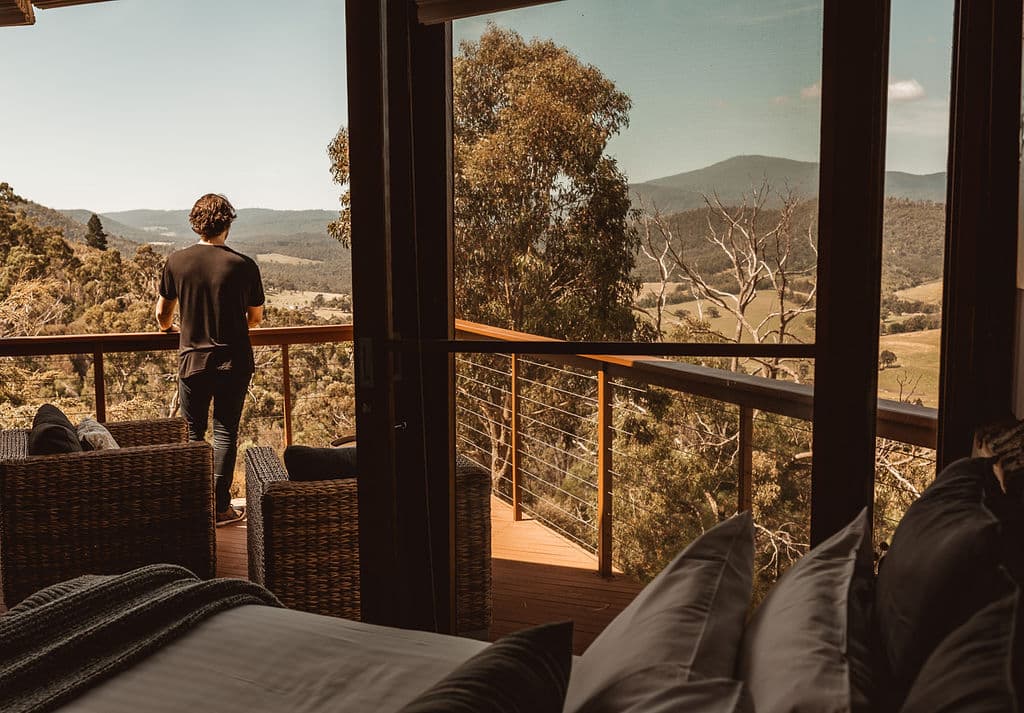
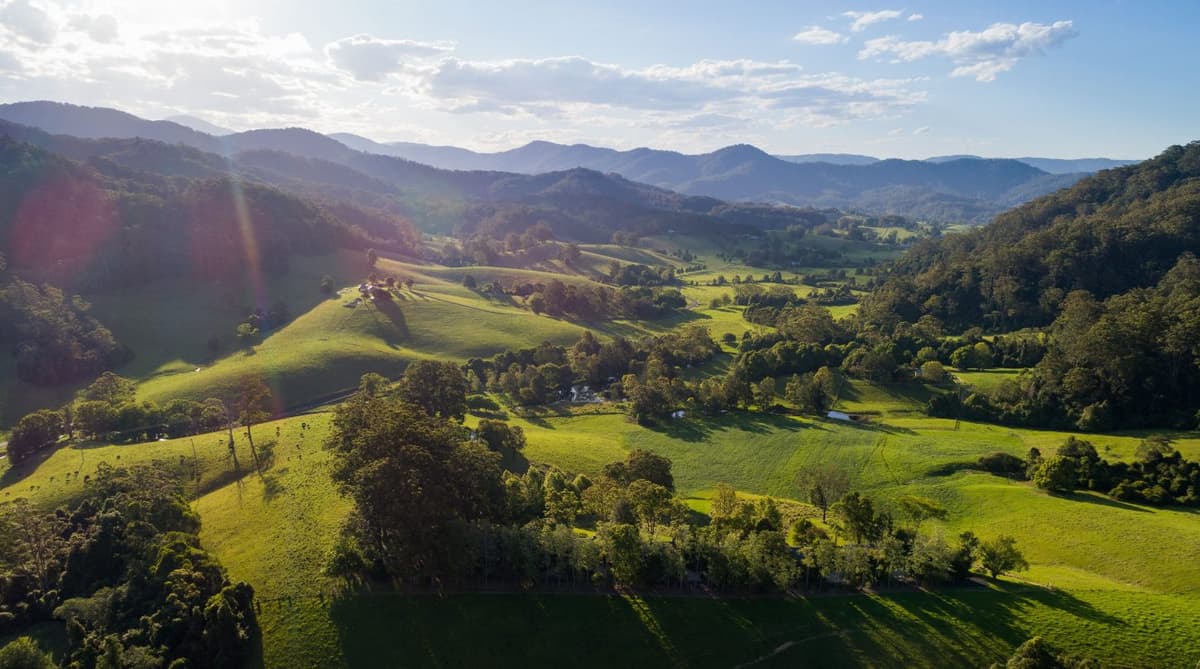
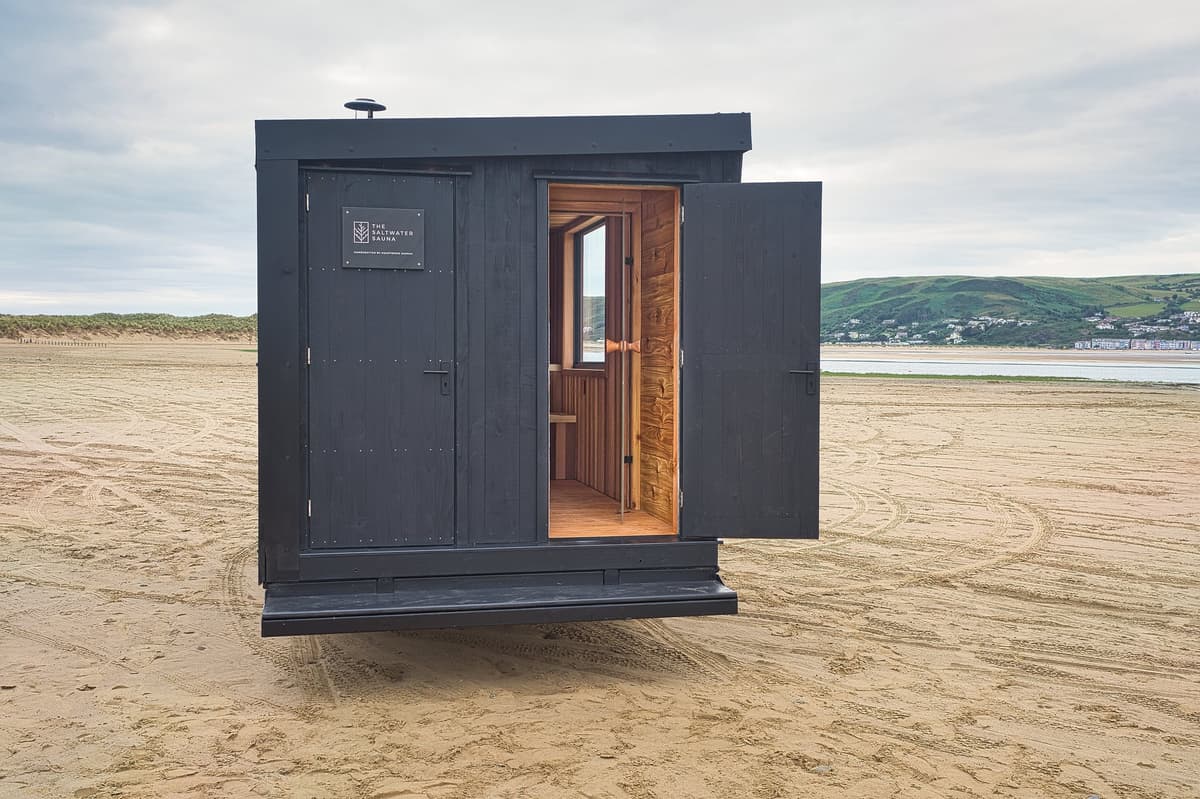
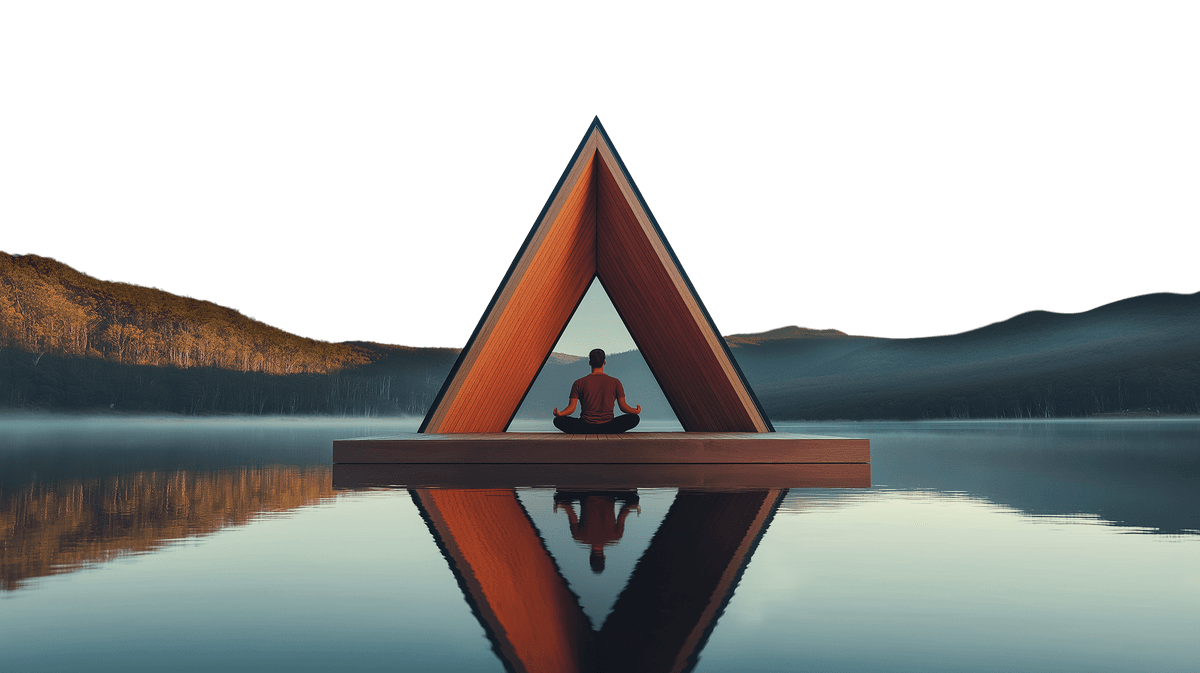
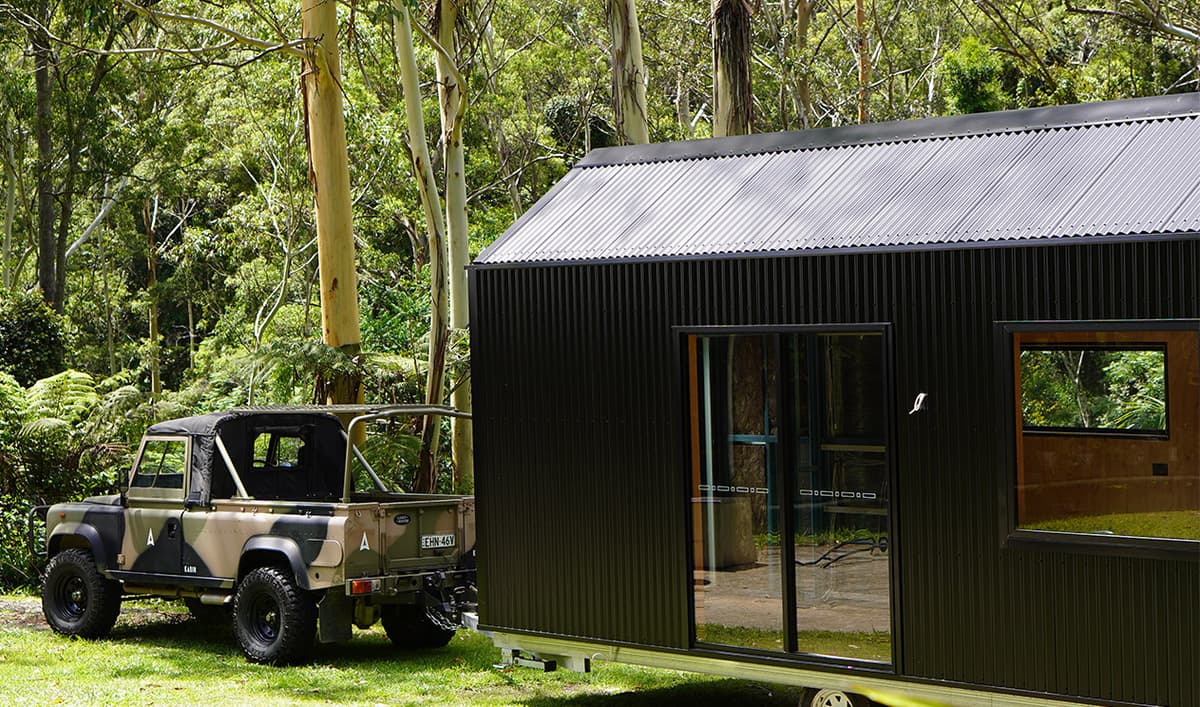
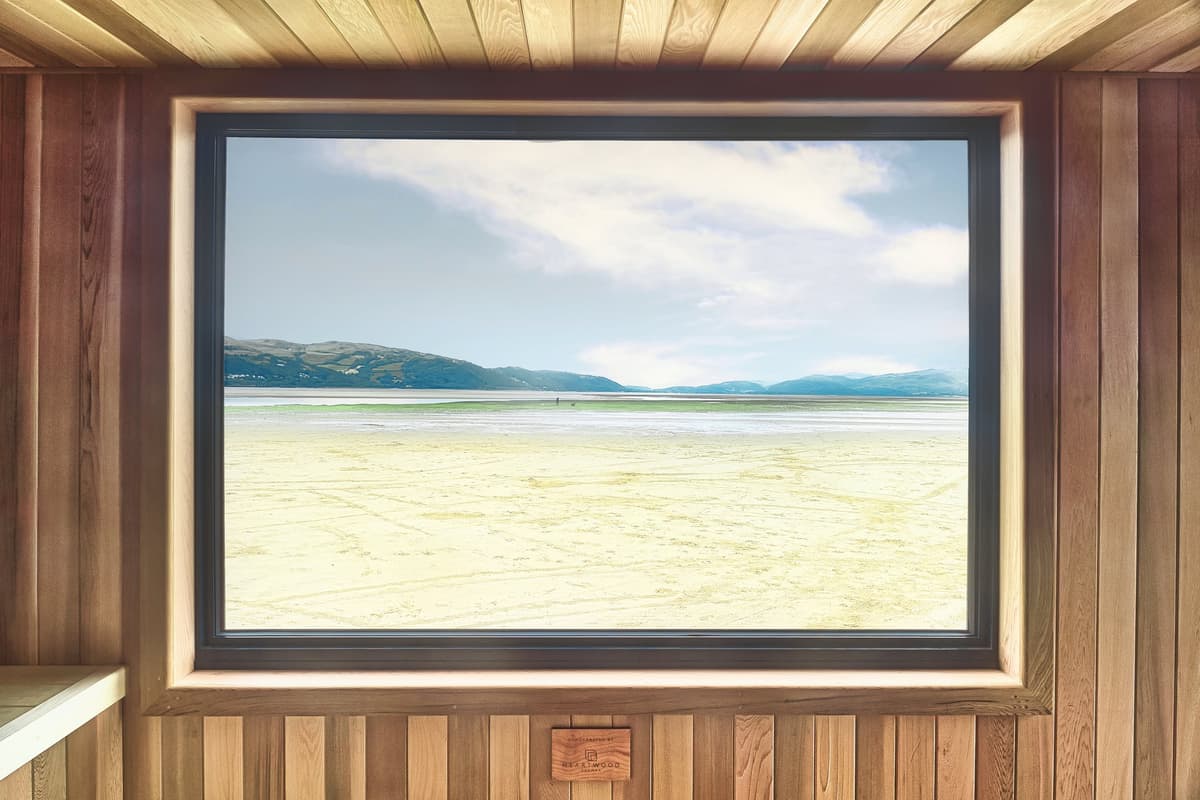
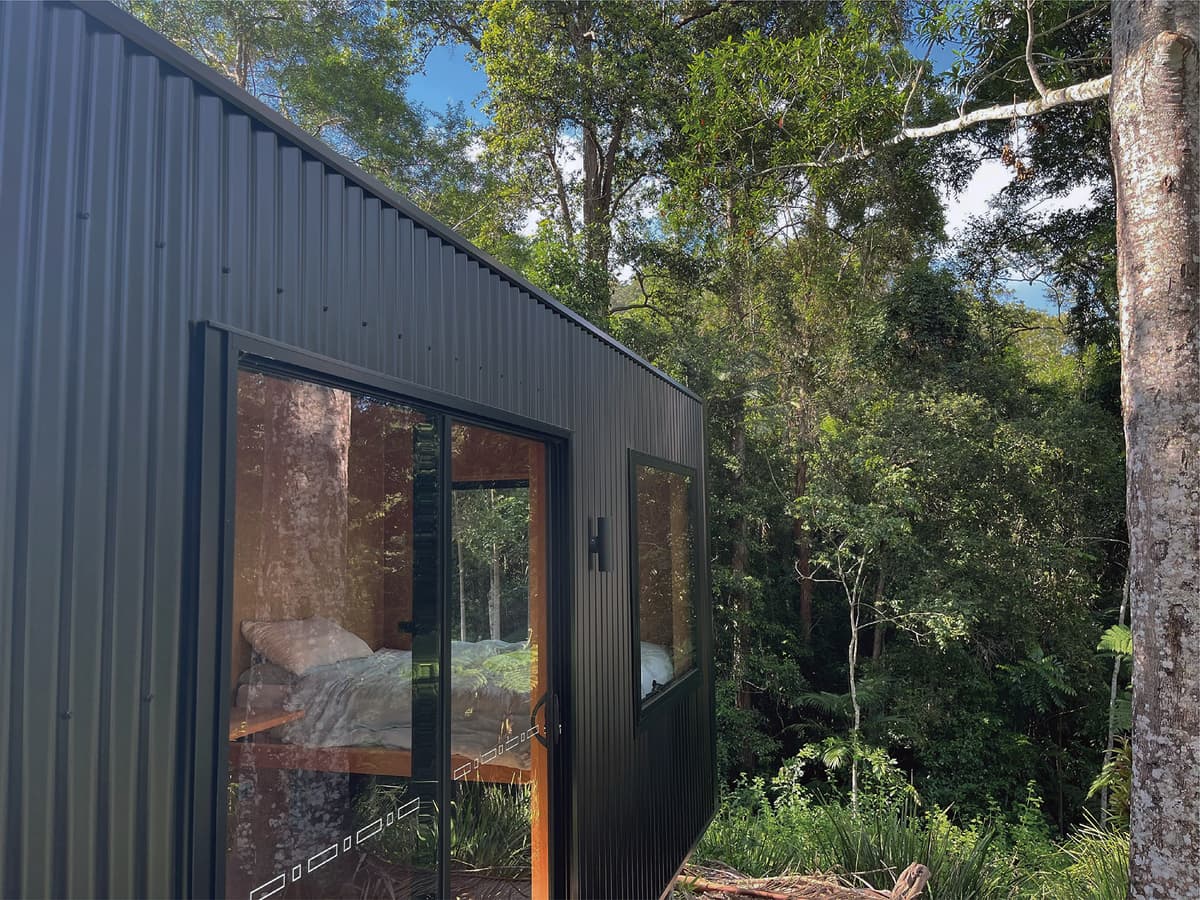
AWAY curates extraordinary places across Australia where people can spend 72 hours or more genuinely disconnected. Not somewhere prettier to keep working from. Somewhere to stop.
Remote cabins. Wilderness stays. Farms. Islands. Retreats. Quiet houses. Places surrounded by forest, mountains, rivers, ocean and space.
Places where being offline isn't an inconvenience.
It's the point.
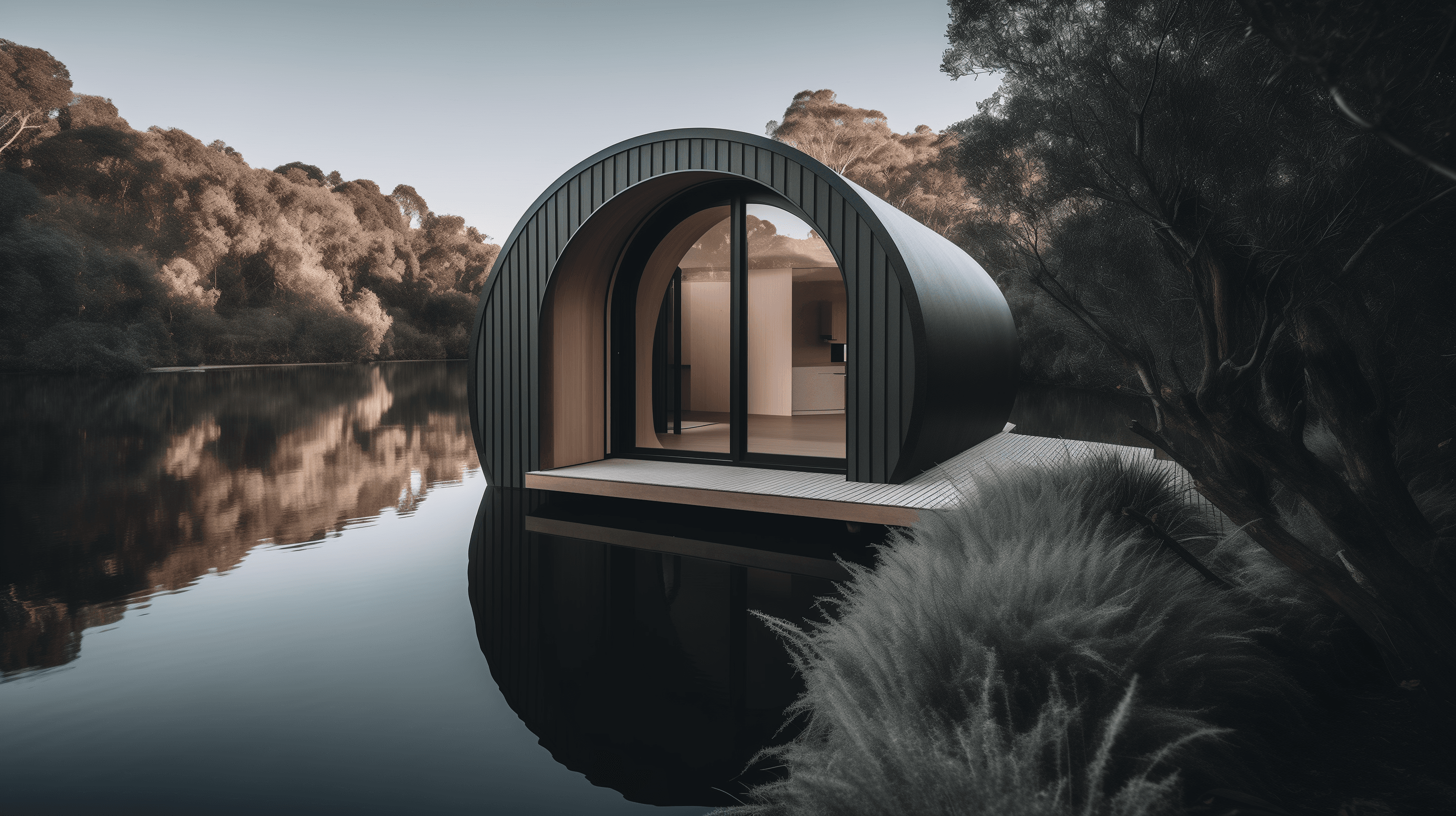
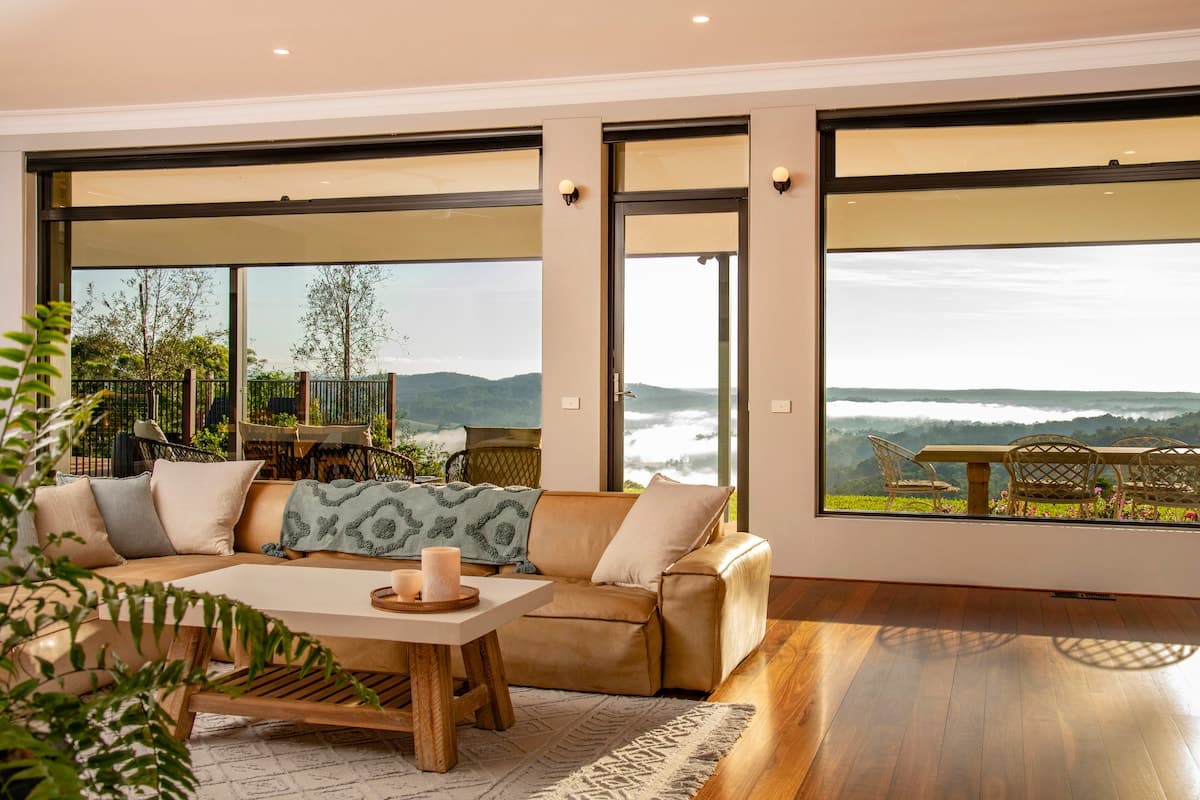
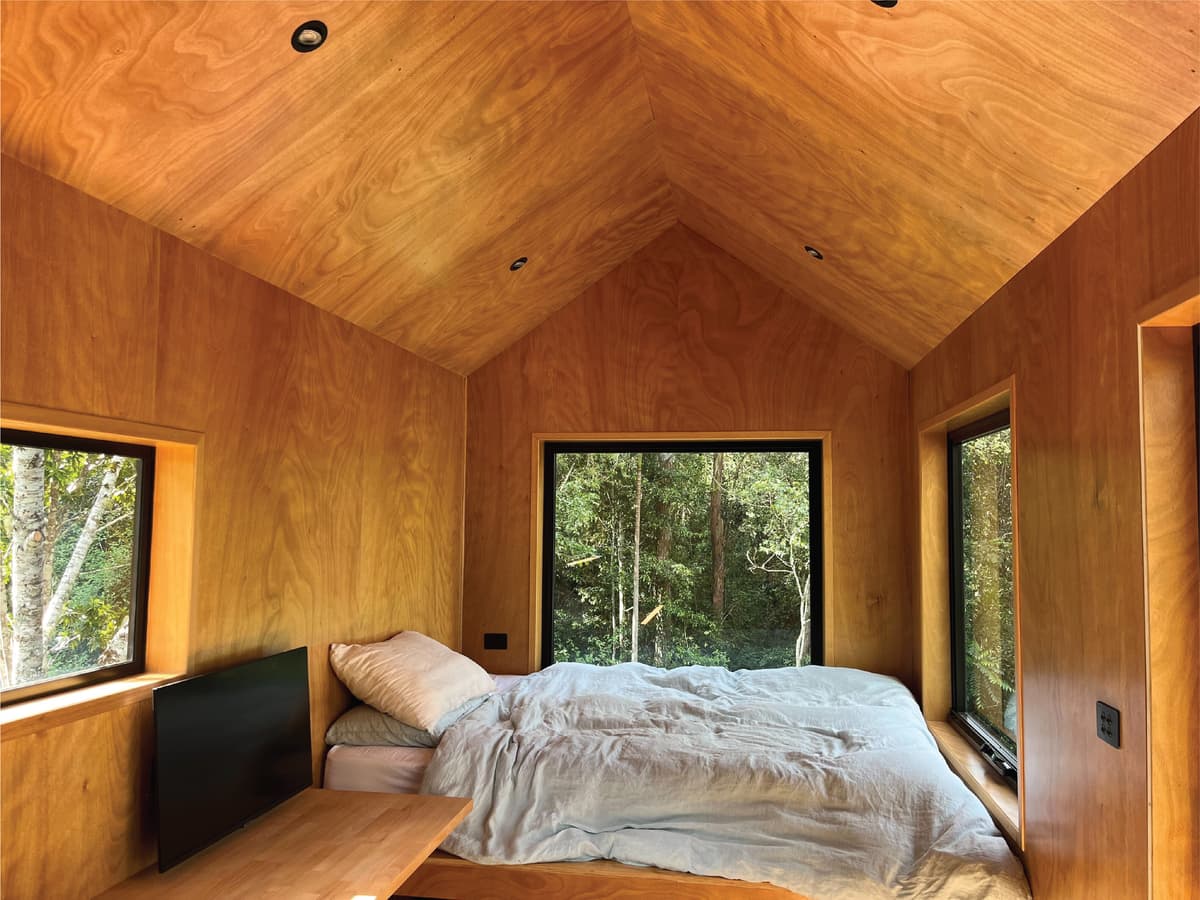

- 72+ hours
- Offline
- Nature
- Rest
- Space
Your brain is an asset.
For founders, executives, creatives and knowledge workers, a large part of the value you create comes from something that's difficult to put on a balance sheet.
Your ability to think. To make a call when the answer isn't obvious. To recognise an opportunity. To hold complexity. To create something that didn't exist yesterday.
We protect laptops. We back up databases. We insure buildings. We maintain machines. But the cognitive system making the most consequential decisions can run at full load for months without anybody asking when it was last properly taken offline.
AWAY is maintenance for the modern wired mind.
Not because people should work harder when they return. Because their life and work are better when the person doing them is actually there.
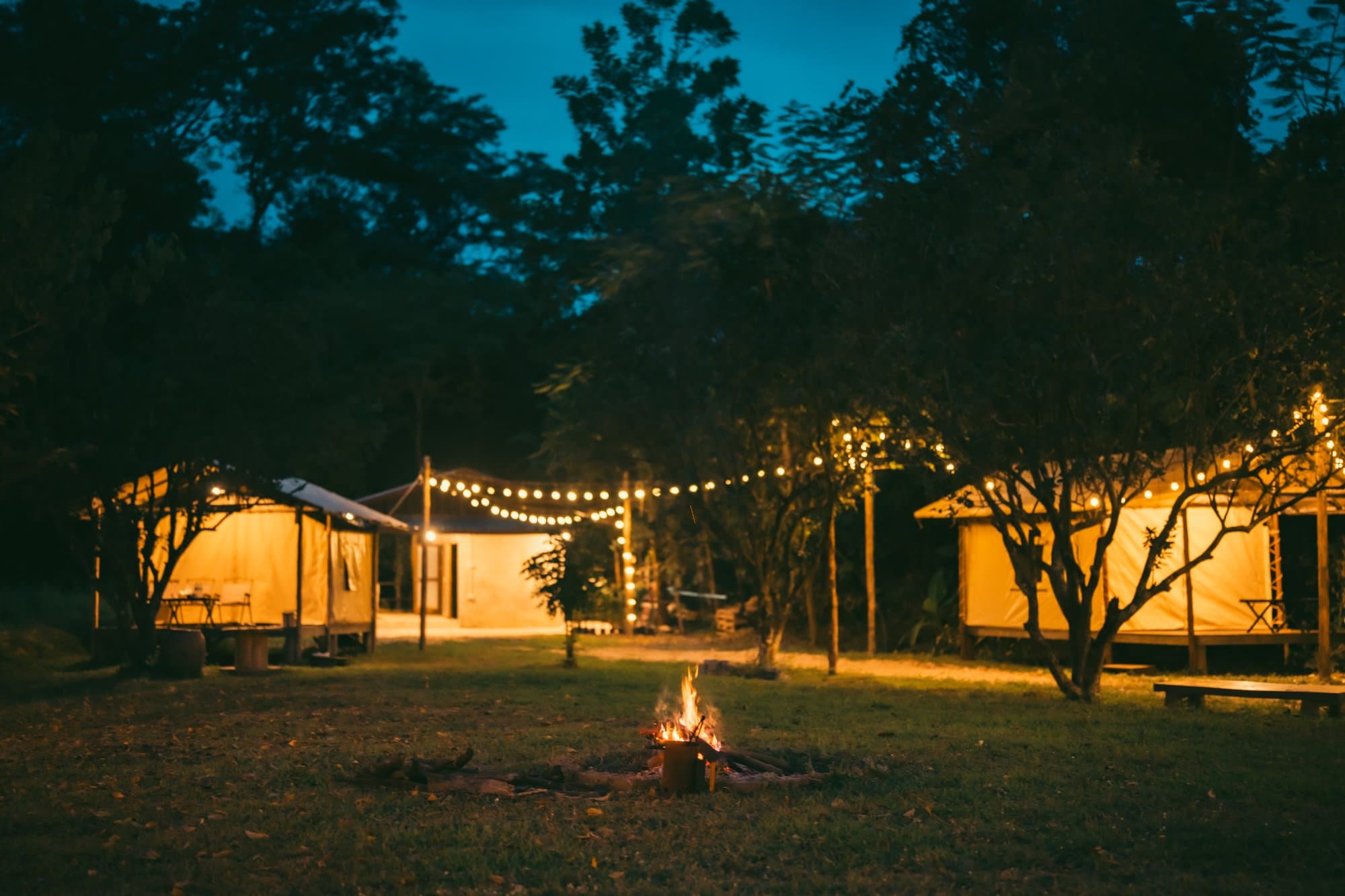
Better people don't need more pressure.
Many workplace wellbeing programmes still ask something of the employee. Watch this. Complete this. Track this. Attend this. Learn to become more resilient to the conditions you're already experiencing.
AWAY takes a different approach.
Sometimes you need to change the conditions.
Go somewhere else. Remove the inputs. Sleep. Walk. Swim. Read. Sit around a fire. Talk to someone you love. Do absolutely nothing useful for a while.
Then come back.
Give your team access to AWAY.
AWAY gives organisations a practical way to make genuine regeneration part of working life. Not everyone needs the same Away. And not everyone needs one at the same time.
Somebody might need three days alone in a cabin. Someone else might need a week walking. A founder might need enough distance to finally think clearly about the decision they've been circling for six months. A team might need to leave the office together after an intense period and remember how to talk without an agenda.
AWAY provides the places.
You give people permission to use them.
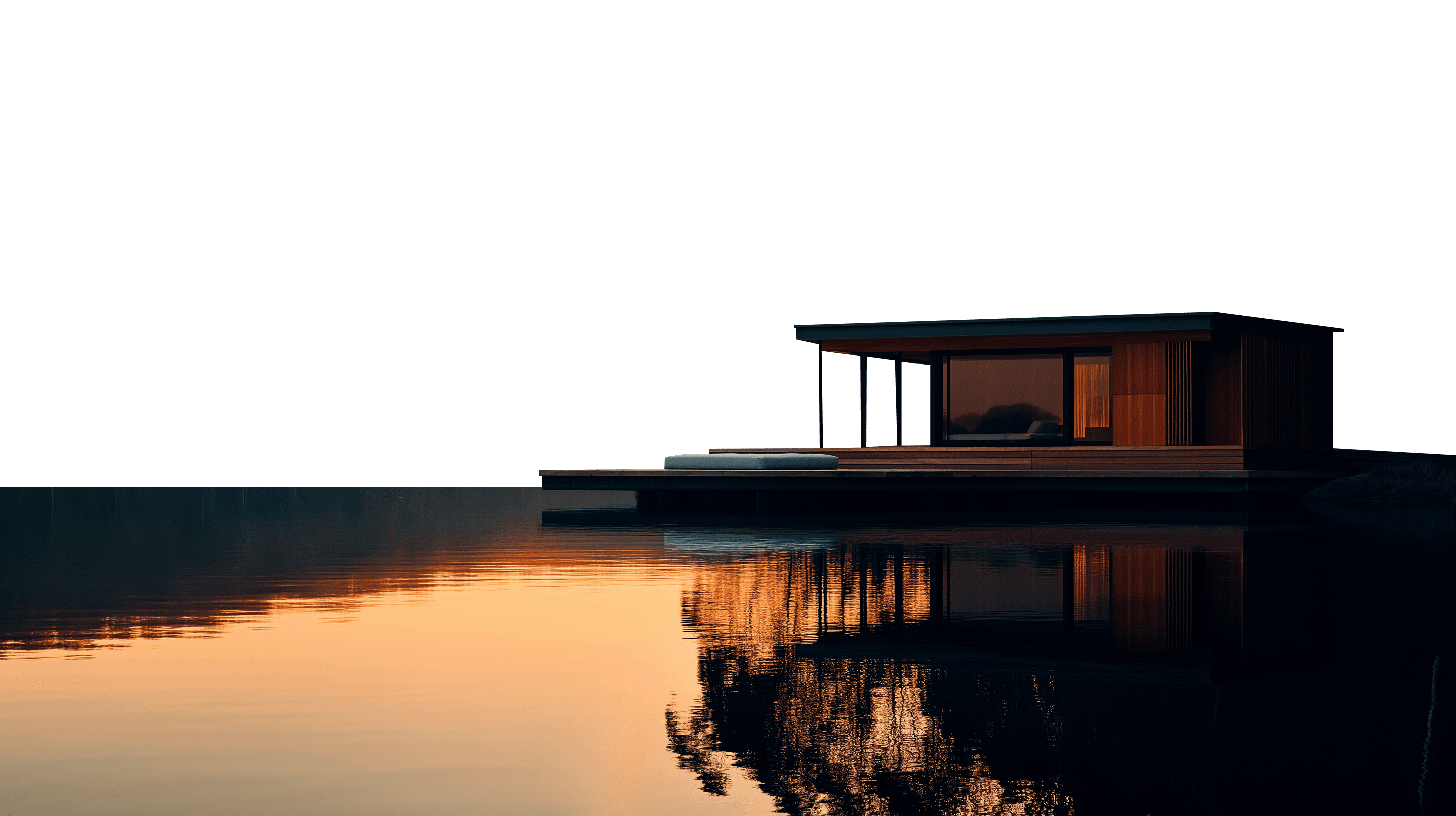
72 Hour Aways
The experience at the heart of AWAY. Three or more days deliberately removed from ordinary work and digital inputs. Cabins. Wilderness. Remote stays. Retreats and places where nature does most of the programming.
For individuals, founders and leaders who need to properly step back.
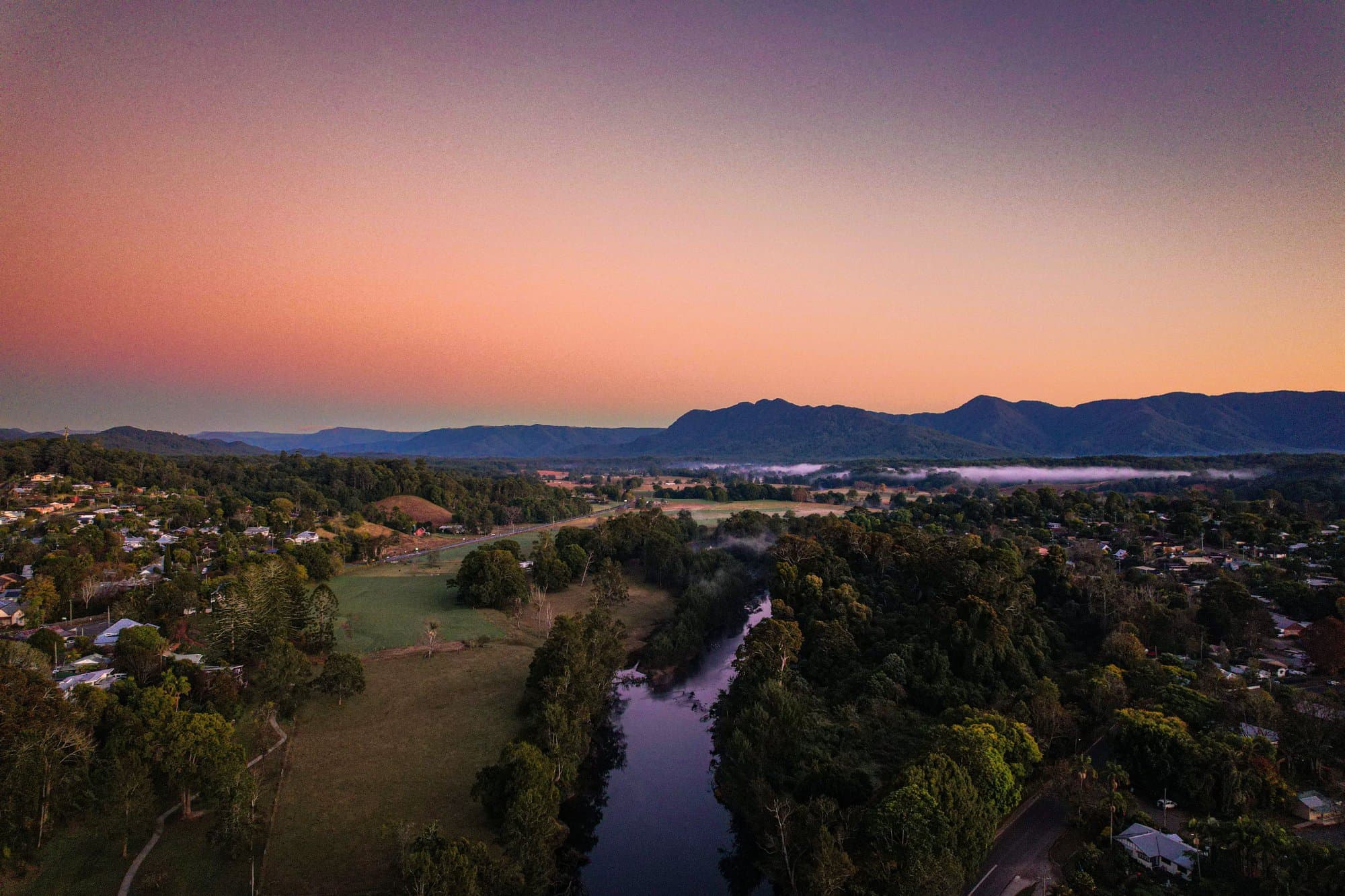
Team Aways
Get the people out of the environment in which all the problems were created. Time together without the usual rhythm of meetings, notifications and deliverables. Space for conversation, perspective, reconnection and whatever happens when nobody is watching the clock.
Not an offsite with nicer catering. Actually off-site.

Away Allowance
Give people agency over when and how they restore. An AWAY allowance can give employees access to a curated world of regenerative experiences rather than another catalogue of corporate benefits they'll never use. One organisation. A world of places to go.
And permission to recognise that sometimes stepping away is part of doing good work.
Psychosocial health needs more than coping strategies.
The design of work matters. Workload matters. Management matters. Culture matters.
And AWAY isn't a substitute for fixing problems inside an organisation. It is something complementary:
recovery infrastructure outside it.
A practical mechanism for creating genuine distance from sustained cognitive and environmental demands. Because wellbeing shouldn't mean teaching people to tolerate indefinitely what should be changed.
Sometimes the work needs to change. Sometimes the environment needs to change. And sometimes a person simply needs to go Away for a while.
The science
What could 72 hours do?
The original wilderness research didn't prove that every person becomes “50% smarter” after three days outside. It found something more specific and more interesting.
Participants tested after several days immersed in nature performed roughly 50% better on a creative problem-solving task than the group tested before entering the wilderness.
There are several possible explanations: nature, reduced technology exposure, fewer demands on directed attention, time, sleep, movement, or some combination of them. We don't pretend to know exactly how much each contributes.
We just became fascinated by creating the conditions. And then making those conditions easier for people to access.
Further reading · The 3-Day Effect
What happens to your brain after 72 hours in nature?
The research that sent us down this path. A deeper look at cognitive scientist David Strayer's work, the wilderness study behind the roughly 50% creative problem-solving result, Attention Restoration Theory, and why we built AWAY around spending meaningful time offline.
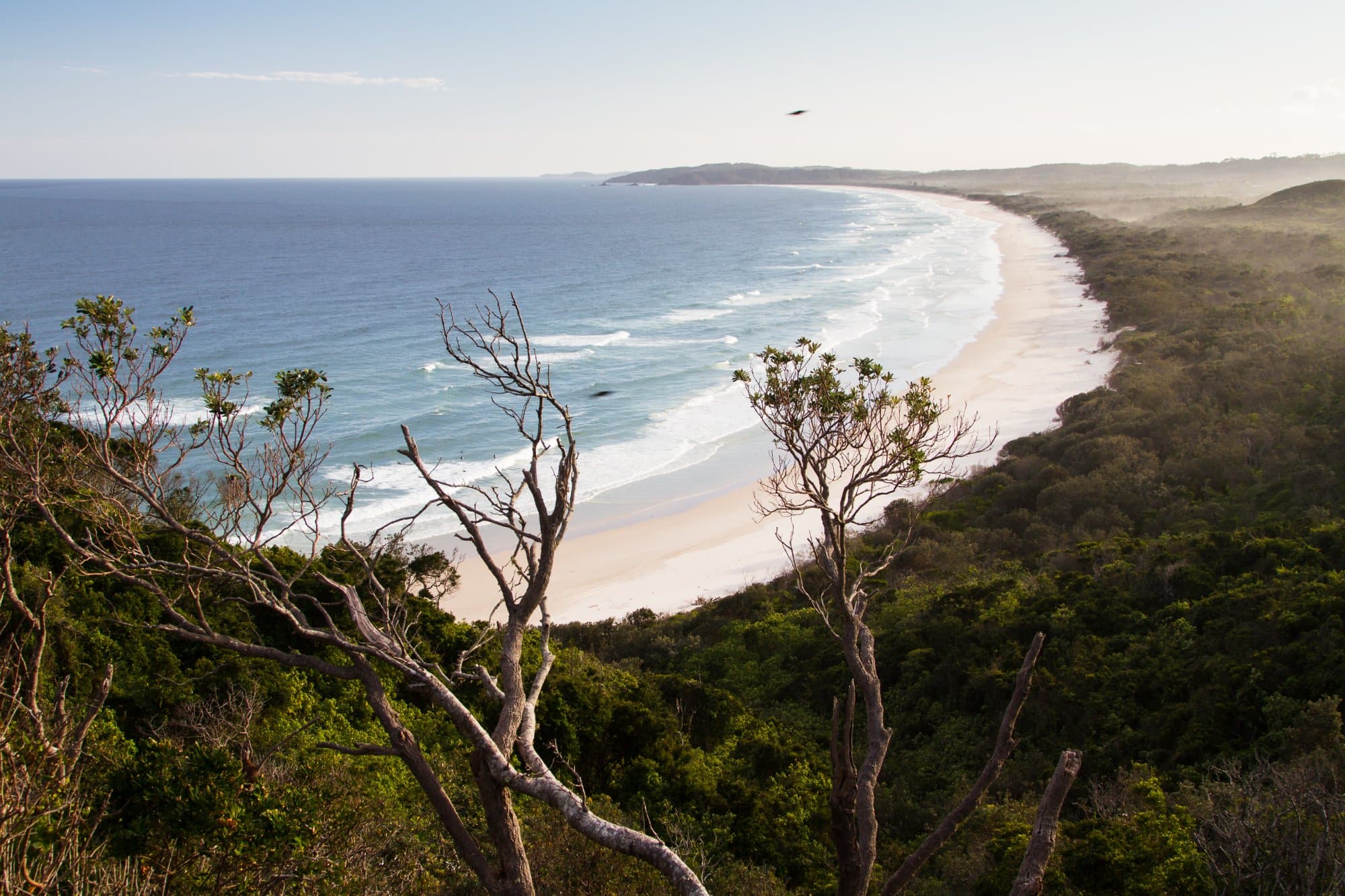
The pursuit spends you.
The Away is what makes you.
Your organisation already invests in what people do while they're working. Maybe it's time to invest in what allows them to properly step away.
Give your founders, leaders and teams somewhere extraordinary to go. Long enough for the noise to stop following them. Long enough to come back.